
Admissions
Guided, confidential and supportive
Admission to Oatlands is a voluntary process designed to ensure each patient is appropriately assessed and safely admitted into care.
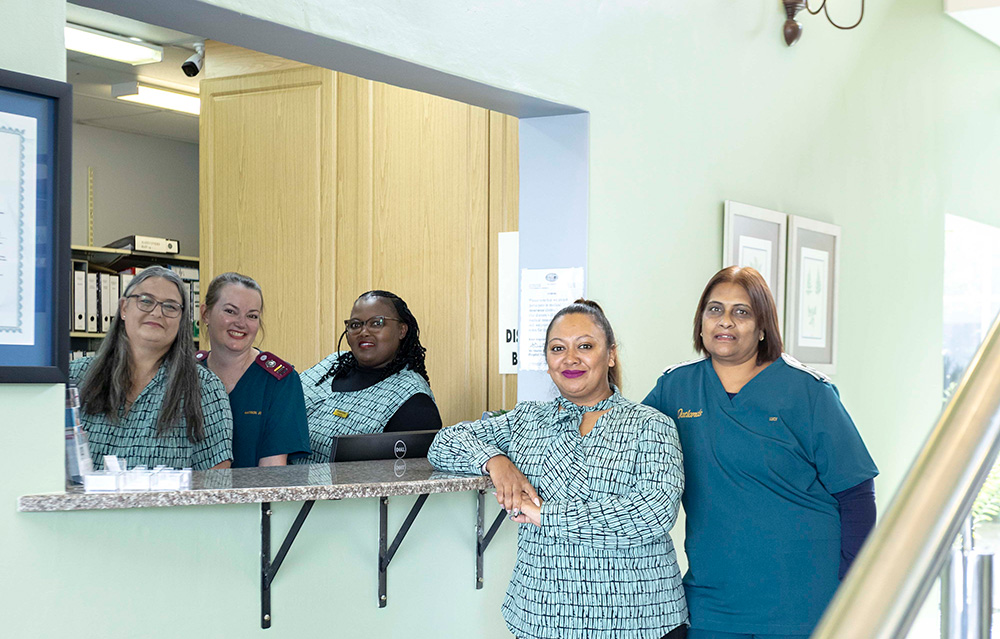
Our admissions team will guide you through every step with clarity, discretion and support.
01
Who we admit
Oatlands provides in-patient care for adults experiencing:
- Mood disorders – Depression and Bipolar.
- Anxiety disorders and stress-related conditions.
- Personality related challenges.
- Other psychiatric conditions (with some exclusions)
02
Initial enquiry
The first step is a confidential enquiry with our admissions office.
During this stage we will:
- Discuss current needs and concerns
- Determine suitability for admission
- Check bed availability
- Explain the admission process
03
Admission criteria
To ensure safety and appropriate care levels, Oatlands is not suitable for individuals who are:
- Actively self-harming or suicidal
- Experiencing substance withdrawal or requiring detox
- Presenting with active addiction as the primary issue
- Experiencing acute psychosis requiring high-dependency care
- Presenting with untreated eating disorders requiring specialist intervention
If a higher level of care is required, we will advise on appropriate alternatives.
04
What happens on admission
On arrival, patients receive a structured and supportive orientation process.
This includes:
- Nursing and psychiatric assessment
- Medication review and stabilisation planning
- Introduction to the daily program
- Explanation of rules, routines and visiting hours
Our aim is to make admission as calm, clear and reassuring as possible.
05
What to bring
Please bring:
- Medical aid card and ID
- Any prescribed medication in original packaging
- Comfortable clothing and closed shoes
- Personal toiletries
- Water bottle (plastic only)
- Sun hat (optional)
- Small personal comfort items if desired.
06
Important restrictions
To maintain safety and structure within the facility:
- No hot water bottles (wheat bags only permitted)
- No firearms or weapons of any kind
- No alcohol, energy drinks or non-prescribed substances
- No electric blankets, heaters or fans
- No pill organisers (medication must remain in original packaging)
- Certain personal items may be stored at the nursing station if required
07
Communication and devices
- Cell phones and laptops are handed in during the day
- Devices are returned after structured therapy hours
- Limited Wi-Fi is available on site
- Patients are encouraged to bring their own mobile data if required
08
Daily structure
Patients follow a structured daily routine including:
- Morning therapy sessions
- Afternoon therapy sessions
- Scheduled rest and reflection periods
This structure supports stability, routine and emotional grounding.
09
Visiting hours
Visiting is structured to protect therapy time and recovery focus:
- Monday – Saturday: 16:00 – 17:00
- Sunday: 11:00 – 12:00 and 16:00 – 17:00
10
Meals and daily living
Patients receive three meals per day, plus tea and snack breaks.
Meals are prepared on-site and designed to support balanced nutrition during recovery.
Patients may bring additional snacks, provided they are suitable for a therapeutic environment.
11
Admissions Guide
For a more detailed overview of what to expect during admission, including what to bring, daily routines and practical guidelines, you can download our Admissions Guide below.
12
Length of stay
Length of admission varies depending on clinical needs and recovery progress.
Each patient is reviewed regularly to ensure appropriate treatment planning and discharge readiness.
13
How to arrange admission
To begin the process, please contact our admissions team:
Phone: 033 330 2229
Emergency cell: 066 330 8841
Email: enquiries@oatlandscarecentre.co.za
Our team will guide you through the next steps with care and discretion.
14
Final reassurance
Admission can feel overwhelming, especially for individuals and families during difficult periods.
Our role is to make the process as clear, structured and supportive as possible from the very first contact.